Physial Therapy Servicng Children and Adults in Allegan, MI
Care for Every Stage of Life
At HEROES Physical Therapy, our name reflects our heart, not an age limit.
While we are widely known for our work with children, we also proudly serve adults and older teens who need expert, individualized physical therapy. From neurological conditions to complex movement challenges, our approach remains the same: compassionate care, advanced techniques, and a deep respect for each person’s goals.
Whether therapy begins in childhood or later in life, every client at HEROES receives personalized treatment designed to improve strength, mobility, confidence, and independence.
Advanced care. Individualized plans. Every age welcomed.
Physial Therapy Servicng Children and Adults in Allegan, MI
Care for Every Stage of Life
At HEROES Physical Therapy, our name reflects our heart, not an age limit.
While we are widely known for our work with children, we also proudly serve adults and older teens who need expert, individualized physical therapy. From neurological conditions to complex movement challenges, our approach remains the same: compassionate care, advanced techniques, and a deep respect for each person’s goals.
Whether therapy begins in childhood or later in life, every client at HEROES receives personalized treatment designed to improve strength, mobility, confidence, and independence.
Advanced care. Individualized plans. Every age welcomed.
What We Offer
Specialty Pediatric Therapy Built for Progress
We serve children with complex needs using evidence-based, personalized care.
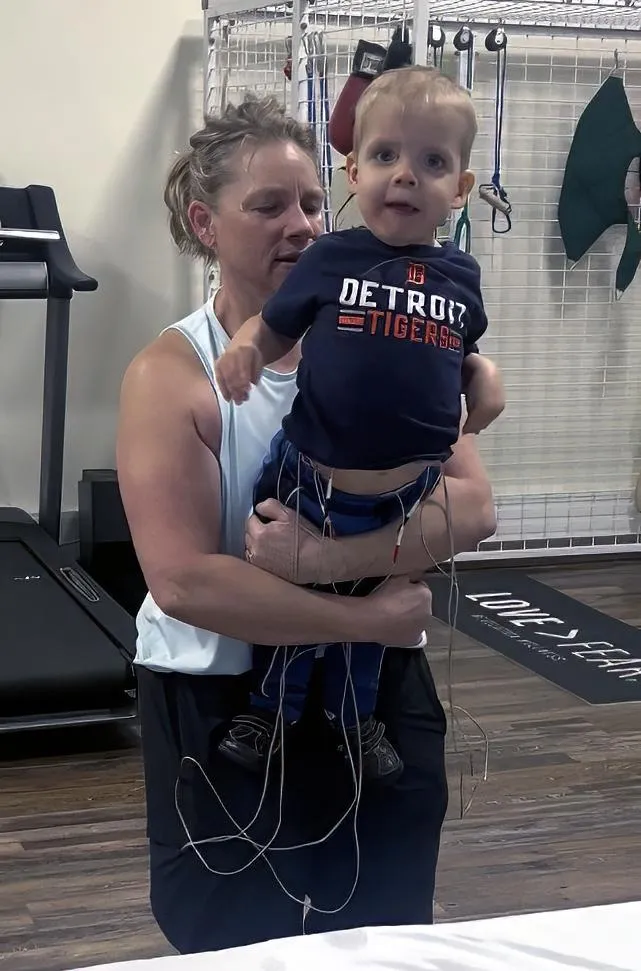
Our clinic supports kids with developmental delays, neuromotor conditions, and sensory integration needs using the most effective tools in pediatric therapy. We’re one of the only clinics in the region offering advanced interventions like:
DMI (Dynamic Movement Intervention)
Universal Exercise Unit (UEU)
TheraSuit Method
Sensory-integrated therapy
Wheelchair and equipment evaluations
Every plan is custom-builtand parents are an essential part of the process.
What We Offer
Specialty Pediatric Therapy Built for Progress
We serve children with complex needs using evidence-based, personalized care.
Our clinic supports kids with developmental delays, neuromotor conditions, and sensory integration needs using the most effective tools in pediatric therapy. We’re one of the only clinics in the region offering advanced interventions like:
DMI (Dynamic Movement Intervention)
Universal Exercise Unit (UEU)
TheraSuit Method
Sensory-integrated therapy
Wheelchair and equipment evaluations
Every plan is custom-builtand parents are an essential part of the process.
Why Families
Choose HEROES
Specialty Pediatric Therapy Built for Progress
We’re built for complexityand grounded in care.
While many clinics offer general therapy, HEROES Physical Therapy was designed specifically for children with more intensive needs.
From advanced certifications to rare equipment, we offer what other providers don’tand back it with experience and compassion.
Why families choose us:
26+ years of clinical expertise
DMI-certified and specialty-trained
Family-inclusive care and coaching
Quiet, calming environment tailored to kids and teens
Real progress, not just routine
Why Families
Choose HEROES
Specialty Pediatric Therapy Built for Progress
We’re built for complexityand grounded in care.
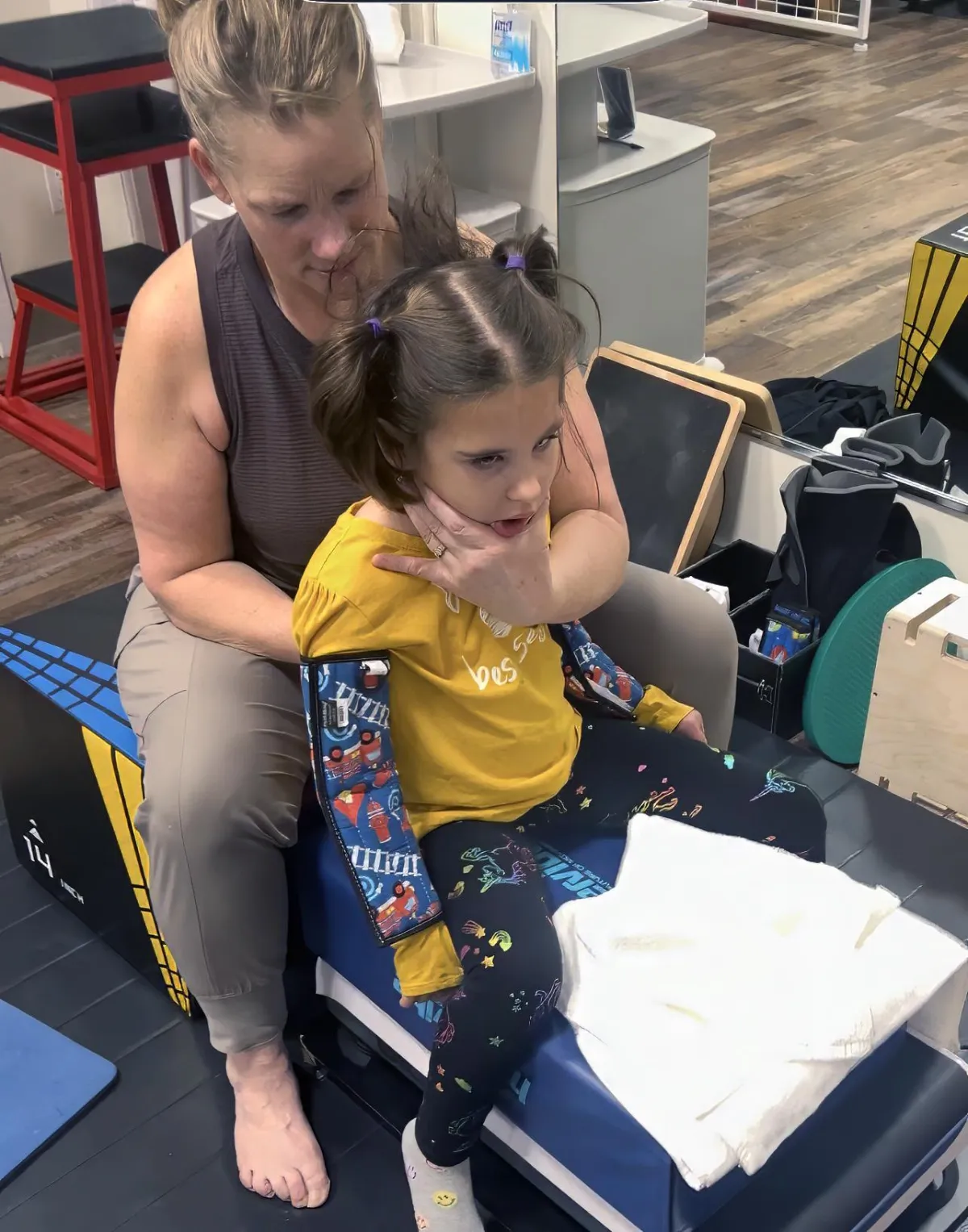
While many clinics offer general therapy, HEROES Physical Therapy was designed specifically for children with more intensive needs.
From advanced certifications to rare equipment, we offer what other providers don’tand back it with experience and compassion.
Why families choose us:
26+ years of clinical expertise
DMI-certified and specialty-trained
Family-inclusive care and coaching
Quiet, calming environment tailored to kids and teens
Real progress, not just routine

Meet the Team
Skilled. Steady. Committed to Your Child.
Meet the team behind the progress.
Led by Heather DeJonge, PT, our team brings deep expertise and a calm, encouraging presence to every session. We believe in your child’s potentialand in your role as their guide.

Meet the Team
Skilled. Steady. Committed to Your Child.
Meet the team behind the progress.
Led by Heather DeJonge, PT, our team brings deep expertise and a calm, encouraging presence to every session. We believe in your child’s potentialand in your role as their guide.
The HEROES Path Blog
Learn, Support, and Stay Encouraged
Visit The HEROES Path for expert insight, home tips, and stories from the journey.
From articles on advanced therapy tools to real-life family wins, our blog exists to support and empower you because progress doesn’t stop at the clinic doors.
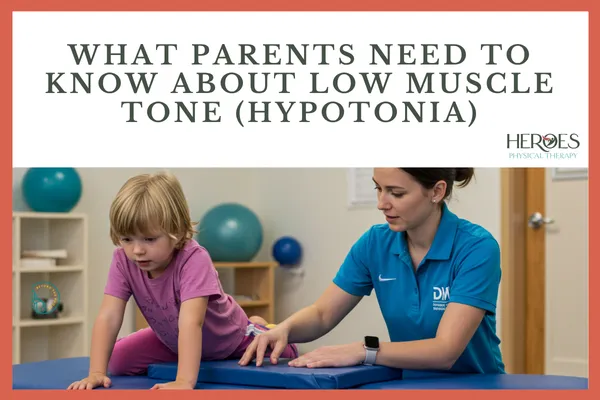
What Parents Need to Know About Low Muscle Tone (Hypotonia)
When your child seems floppy, tires easily, or misses physical milestones, you may hear the word hypotonia—also called low muscle tone.
But what does that actually mean? And more importantly, how can you support your child if they have it?
At HEROES Physical Therapy, hypotonia is one of the most common reasons families come through our doors. It is not a diagnosis in itself. It is a clinical description of how a child’s body manages tension and control.
This article will help you understand what low tone is, how to recognize it, and how physical therapy can make a powerful difference in your child’s strength, movement, and confidence.

What Is Muscle Tone?
Muscle tone is not the same as muscle strength.
Tone refers to the resting tension in a muscle when it is not actively being used. It is what helps the body stay upright, move smoothly, and respond to postural changes automatically.
Children with low muscle tone have muscles that feel soft, loose, or floppy at rest. This makes it harder for their body to activate quickly when movement is needed. It also means their joints may not be as stable, and their posture may require more effort to maintain.
What Causes Hypotonia?
Hypotonia can occur on its own, or as part of a larger condition. Some common causes include:
Genetic conditions (such as Down syndrome, Prader-Willi syndrome, or connective tissue disorders)
Prematurity
Neurological conditions
Global developmental delay
No known medical cause (sometimes called benign congenital hypotonia)
Whether or not a diagnosis is present, low tone can impact development—and intervention can help.
Common Signs of Low Muscle Tone
Children with hypotonia may:
Feel floppy or “mushy” when held as infants
Struggle with head control or tummy time
Appear to collapse into sitting positions
Avoid crawling or take longer to reach motor milestones
Fatigue easily during play or walking
Have poor posture and difficulty sitting upright
Use compensatory positions like W-sitting or leaning on furniture
Show uncoordinated or slow movement
Seem clumsy or unbalanced
Avoid playground equipment or active games
They may also struggle with fine motor tasks, speech articulation, or feeding skills—all of which rely on postural stability.
How Hypotonia Affects Daily Life
Low muscle tone can impact much more than just movement. Children with hypotonia often:
Need extra support to sit at a table
Avoid active play due to physical fatigue
Have difficulty staying focused during seated tasks
Fall more frequently
Show frustration when they cannot keep up with peers
Feel less confident exploring new environments
The effort required to maintain posture and control often leaves less energy for learning, social interaction, or emotional regulation.
This is not laziness. It is a physical limitation that can be supported with the right approach.
How Physical Therapy Helps Children With Low Tone
At HEROES Physical Therapy, we use a combination of targeted strengthening, postural control work, and sensory-informed movement strategies to help children with hypotonia build function and independence.
Therapy goals may include:
Improving trunk and core strength
Increasing endurance for movement and posture
Supporting head and neck control
Training balance reactions
Building motor coordination and timing
Encouraging upright play and movement exploration
We use engaging, play-based activities that motivate your child while challenging their body in safe, structured ways.
Sample Activities That Support Low Tone
Some of the tools and techniques we use include:
Therapy ball exercises to activate postural control
Tummy time with incline to build head and trunk strength
Obstacle courses for endurance and coordination
Crawling over soft surfaces for core engagement
Kneeling and half-kneeling play to support balance
Movement games like animal walks, scooters, or wheelbarrow play
Weight-bearing tasks (such as pushing weighted objects)
Each activity is tailored to your child’s specific needs and progress level.
What Parents Can Do at Home
You do not need special equipment to support your child with hypotonia at home. Small changes in your daily routine can make a big difference.
Try:
Encouraging floor play instead of seated play
Using vertical surfaces (like easels) for drawing
Offering climbing, crawling, or bouncing time each day
Providing frequent breaks for movement during seated activities
Reducing time in passive containers like bouncers, jumpers, or car seats
Letting your child explore active play even if it’s messy or slow
Your physical therapist can help you create a home program that works in your space and fits your schedule.

When to Seek an Evaluation
If your child is missing milestones, seems unusually floppy, or struggles with posture, movement, or endurance, a physical therapy evaluation is a helpful first step.
At HEROES, we use standardized assessments, play-based observation, and parent input to understand your child’s needs and create a personalized plan.
You do not need a referral, and you do not need to wait for a formal diagnosis. Early support often leads to better outcomes.
Low muscle tone may be part of your child’s story—but with the right support, it does not have to limit their potential.
To learn more, visit heroespt.com.
What Parents Are Saying
Real Results. Real Trust.
We’ve helped families across Allegan and beyondhere’s what they’re saying:
Ready to Get Started?
The Right Therapy Can Change Everything
Call or text today to ask questions or schedule an evaluation.
Whether your child needs support with mobility, equipment, or sensory integration HEROES Physical Therapy is ready to walk with you.
HEROES Physical Therapy
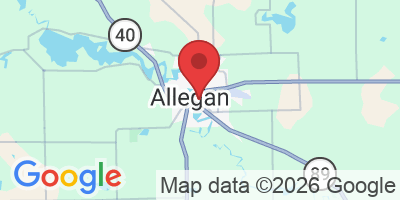
104 Locust St. Allegan, MI 49010
Fax: 269-993-3918
QUICK LINKS
We proudly accept most major insurances, including: Blue Cross Blue Shield • Blue Care Network •
Priority Health • Medicare • Medicaid • Children’s Special Health Care Services • Molina • Meridian • McLaren
• Auto Insurance • Optum Group (United Health Care, Veterans Affairs, Prime Health) • Tricare