
Physial Therapy Servicng Children and Adults in Allegan, MI
Care for Every Stage of Life
At HEROES Physical Therapy, our name reflects our heart, not an age limit.
While we are widely known for our work with children, we also proudly serve adults and older teens who need expert, individualized physical therapy. From neurological conditions to complex movement challenges, our approach remains the same: compassionate care, advanced techniques, and a deep respect for each person’s goals.
Whether therapy begins in childhood or later in life, every client at HEROES receives personalized treatment designed to improve strength, mobility, confidence, and independence.
Advanced care. Individualized plans. Every age welcomed.
Physial Therapy Servicng Children and Adults in Allegan, MI
Care for Every Stage of Life
At HEROES Physical Therapy, our name reflects our heart, not an age limit.
While we are widely known for our work with children, we also proudly serve adults and older teens who need expert, individualized physical therapy. From neurological conditions to complex movement challenges, our approach remains the same: compassionate care, advanced techniques, and a deep respect for each person’s goals.
Whether therapy begins in childhood or later in life, every client at HEROES receives personalized treatment designed to improve strength, mobility, confidence, and independence.
Advanced care. Individualized plans. Every age welcomed.
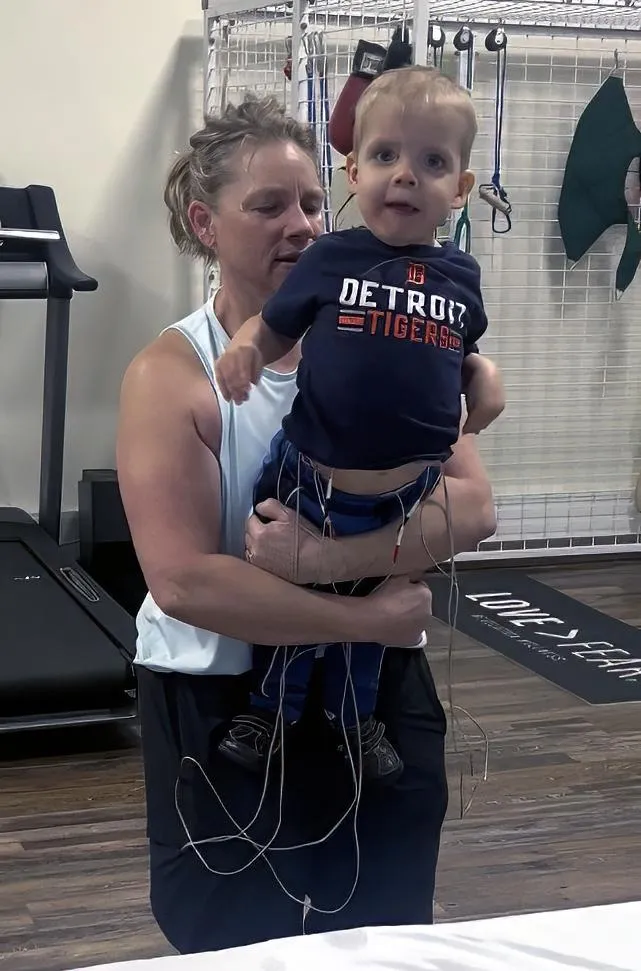
What We Offer
Specialty Pediatric Therapy Built for Progress
We serve children with complex needs using evidence-based, personalized care.
Our clinic supports kids with developmental delays, neuromotor conditions, and sensory integration needs using the most effective tools in pediatric therapy. We’re one of the only clinics in the region offering advanced interventions like:
DMI (Dynamic Movement Intervention)
Universal Exercise Unit (UEU)
TheraSuit Method
Sensory-integrated therapy
Wheelchair and equipment evaluations
Every plan is custom-builtand parents are an essential part of the process.
What We Offer
Specialty Pediatric Therapy Built for Progress
We serve children with complex needs using evidence-based, personalized care.
Our clinic supports kids with developmental delays, neuromotor conditions, and sensory integration needs using the most effective tools in pediatric therapy. We’re one of the only clinics in the region offering advanced interventions like:
DMI (Dynamic Movement Intervention)
Universal Exercise Unit (UEU)
TheraSuit Method
Sensory-integrated therapy
Wheelchair and equipment evaluations
Every plan is custom-builtand parents are an essential part of the process.
Why Families
Choose HEROES
Specialty Pediatric Therapy Built for Progress
We’re built for complexityand grounded in care.
While many clinics offer general therapy, HEROES Physical Therapy was designed specifically for children with more intensive needs.
From advanced certifications to rare equipment, we offer what other providers don’tand back it with experience and compassion.
Why families choose us:
26+ years of clinical expertise
DMI-certified and specialty-trained
Family-inclusive care and coaching
Quiet, calming environment tailored to kids and teens
Real progress, not just routine
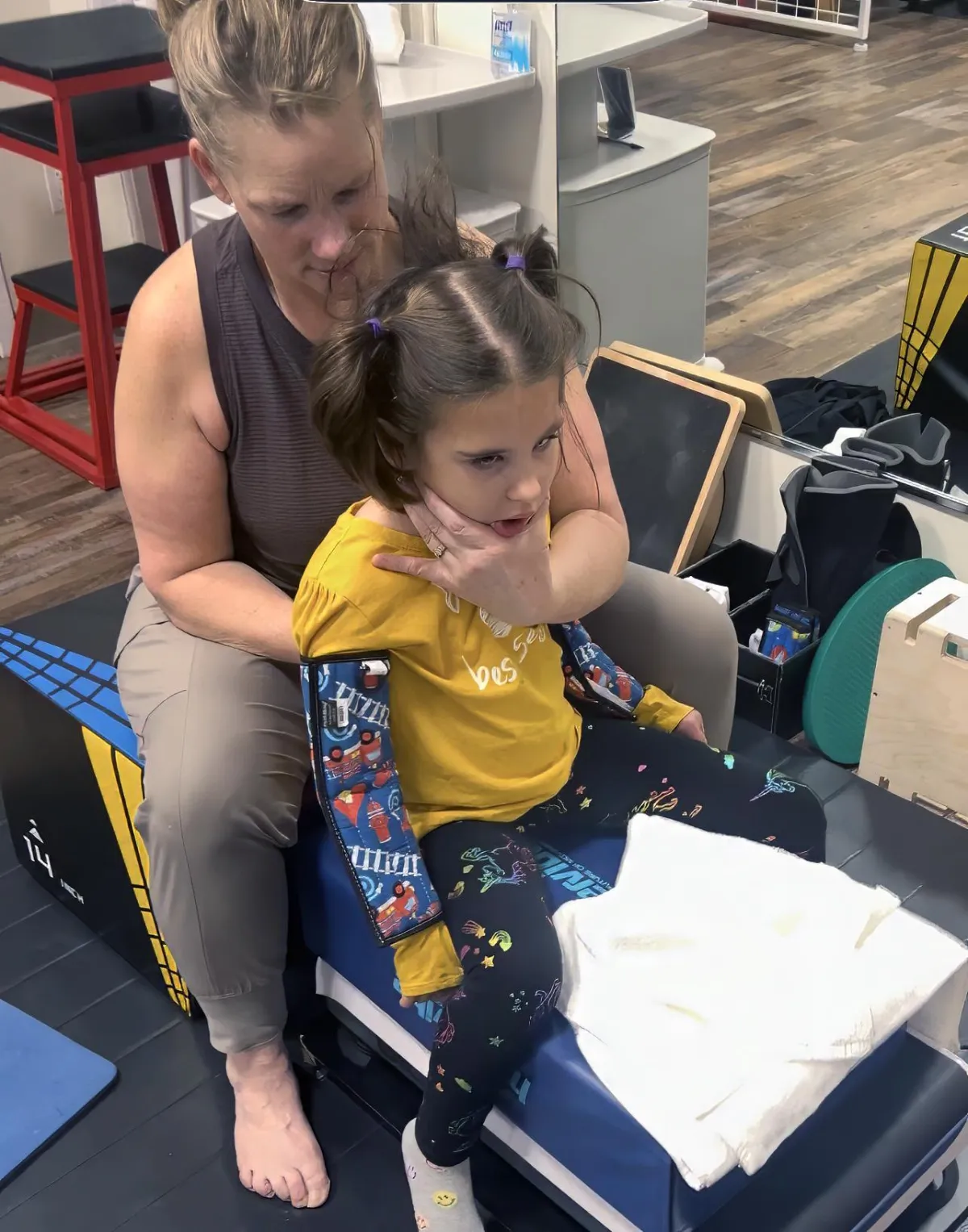
Why Families
Choose HEROES
Specialty Pediatric Therapy Built for Progress
We’re built for complexityand grounded in care.
While many clinics offer general therapy, HEROES Physical Therapy was designed specifically for children with more intensive needs.
From advanced certifications to rare equipment, we offer what other providers don’tand back it with experience and compassion.
Why families choose us:
26+ years of clinical expertise
DMI-certified and specialty-trained
Family-inclusive care and coaching
Quiet, calming environment tailored to kids and teens
Real progress, not just routine

Meet the Team
Skilled. Steady. Committed to Your Child.
Meet the team behind the progress.
Led by Heather DeJonge, PT, our team brings deep expertise and a calm, encouraging presence to every session. We believe in your child’s potentialand in your role as their guide.

Meet the Team
Skilled. Steady. Committed to Your Child.
Meet the team behind the progress.
Led by Heather DeJonge, PT, our team brings deep expertise and a calm, encouraging presence to every session. We believe in your child’s potentialand in your role as their guide.
The HEROES Path Blog
Learn, Support, and Stay Encouraged
Visit The HEROES Path for expert insight, home tips, and stories from the journey.
From articles on advanced therapy tools to real-life family wins, our blog exists to support and empower you because progress doesn’t stop at the clinic doors.

How to Help Your Child Transition Between Activities Without Meltdowns
If getting your child to switch from one activity to another feels like a daily battle, you are not alone.
For many families, transitions—whether it is turning off the tablet, leaving the house, or moving from play to bedtime—are the most emotionally charged moments of the day.
At HEROES Physical Therapy, we hear this concern often. Children with sensory challenges, developmental delays, or emotional regulation struggles often find transitions overwhelming. The problem is not disobedience or stubbornness. It is about what the nervous system can and cannot handle at a given moment.
This article breaks down why transitions are hard for many children and offers clear, practical strategies you can use at home to reduce meltdowns and build cooperation.

Why Transitions Are So Difficult
A “transition” is simply the process of stopping one activity and starting another. For adults, this is a normal part of daily life. But for children—especially those with sensory processing difficulties or neurological differences—transitions require:
Cognitive flexibility (shifting focus)
Emotional regulation (letting go of a preferred activity)
Sensory tolerance (handling a new environment or input)
Communication skills (understanding and processing directions)
Motor planning (moving the body from one context to another)
That is a big ask for a developing brain.
If your child struggles with transitions, it may show up as:
Delayed response or “freezing”
Tantrums or meltdowns
Verbal refusal or negotiation
Running away or hiding
Physical tension or shutdown
These are not bad behaviors. They are signs of overload. With the right strategies, you can help your child prepare for change in a way that feels safe and predictable.
Strategy 1: Use Visual Timers
Time is abstract for young children. Saying “5 more minutes” often means nothing unless they can see it.
A visual timer (digital or sand-based) gives a clear visual cue for when something is ending. Set it for the last 5 or 10 minutes of an activity and say, “When the timer goes off, we’re all done.”
Visual timers reduce surprise and help children shift attention gradually.
Tip: Pair the timer with a simple phrase like “First play, then bath” to reinforce the sequence.
Strategy 2: Give a Transition Countdown
Children need time to mentally and emotionally prepare for change. Offering verbal countdowns can ease the transition.
Try this script:
“10 more minutes playing trucks.”
“5 more minutes, then we’ll clean up.”
“In 2 minutes, we’re heading to the car.”
Consistency is key. Once the time is up, follow through calmly. Avoid negotiating, which can make transitions even harder next time.
Strategy 3: Offer Predictable Routines
When the structure stays the same, transitions feel safer. Develop routines around the most difficult times of day—like bedtime, leaving the house, or starting therapy.
A consistent pattern might look like:
Finish play
Clean up
Use the bathroom
Get shoes on
Grab backpack
Leave the house
You can post this routine using pictures or simple words. Visual schedules reduce anxiety by showing what to expect.
Strategy 4: Use First–Then Language
This simple structure helps clarify expectations.
“First clean up, then we’ll read a book.”
“First walk to the car, then music on.”
“First bath, then pick your pajamas.”
“First–then” gives children a sense of control while keeping the adult in charge of the sequence. Use a calm, confident voice and repeat only once or twice.
Strategy 5: Transition Objects
Sometimes carrying a familiar object helps children shift between activities. A favorite toy, stuffed animal, or small sensory item can serve as a “bridge” between spaces.
Examples:
Holding a favorite car from playtime as they walk to the bathroom
Bringing a calming fidget into the car for appointments
Letting them wear a soft hoodie during tough transitions
The object brings comfort and familiarity while their body adapts to something new.
Strategy 6: Provide Movement Breaks
Children often resist transitions because their body is dysregulated. Movement resets the nervous system.
Offer short, high-impact movement before a difficult shift:
Jumping on a mini trampoline
Climbing stairs
Crawling over pillows
Doing animal walks across the room
Movement helps discharge excess energy and prepares the body for a new task.
Strategy 7: Narrate the Process
Use clear, calm language to explain what is happening. Children often need help processing the sequence.
“We’re cleaning up now. After this, we’ll wash hands.”
“Your body is saying it’s not ready. Let’s take a deep breath together.”
“This is hard, but you’re doing it. One step at a time.”
Avoid over-talking or reasoning during a meltdown. Stick to brief, validating phrases.
Strategy 8: Praise the Effort, Not Just the Outcome
Celebrate when your child handles a transition well—even if it’s not perfect.
“You put your toys away without yelling. That was strong work.”
“You walked to the car when I asked. I noticed that.”
“You used your words instead of hiding. That’s progress.”
Positive feedback builds confidence and encourages repetition.
What If Meltdowns Still Happen?
Even with the best tools, some transitions will be hard. That is normal. Your child is not failing—and neither are you.
When meltdowns happen:
Stay calm and neutral
Reduce language
Offer a safe space for regulation
Validate: “You didn’t want to stop playing. That was hard.”
Repair when calm: “Let’s try again next time.”
Each moment is a learning opportunity. With consistency, your child’s brain will adapt.

Support Is Always Available
If transitions are consistently difficult, it may be time to consult a pediatric physical or occupational therapist. At HEROES Physical Therapy, we assess not just motor skills—but also sensory processing, regulation, and how the environment may be affecting your child.
We offer parent support strategies that fit your real life—not just ideal scenarios. Together, we build a plan that helps your child transition with more calm, connection, and success.
To learn more, visit heroespt.com.

What Parents Are Saying
Real Results. Real Trust.
We’ve helped families across Allegan and beyondhere’s what they’re saying:
Ready to Get Started?
The Right Therapy Can Change Everything
Call or text today to ask questions or schedule an evaluation.
Whether your child needs support with mobility, equipment, or sensory integration HEROES Physical Therapy is ready to walk with you.

HEROES Physical Therapy
104 Locust St. Allegan, MI 49010
Fax: 269-993-3918

QUICK LINKS
We proudly accept most major insurances, including: Blue Cross Blue Shield • Blue Care Network •
Priority Health • Medicare • Medicaid • Children’s Special Health Care Services • Molina • Meridian • McLaren
• Auto Insurance • Optum Group (United Health Care, Veterans Affairs, Prime Health) • Tricare